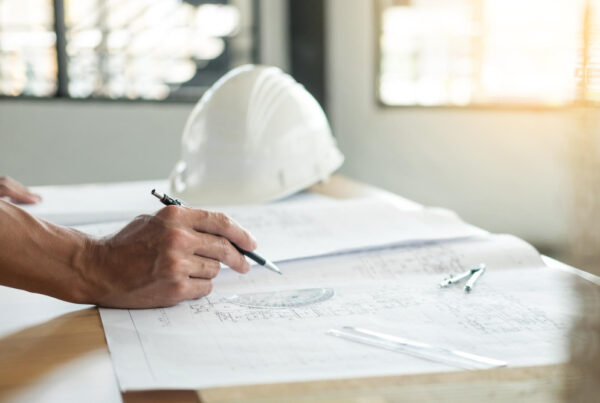

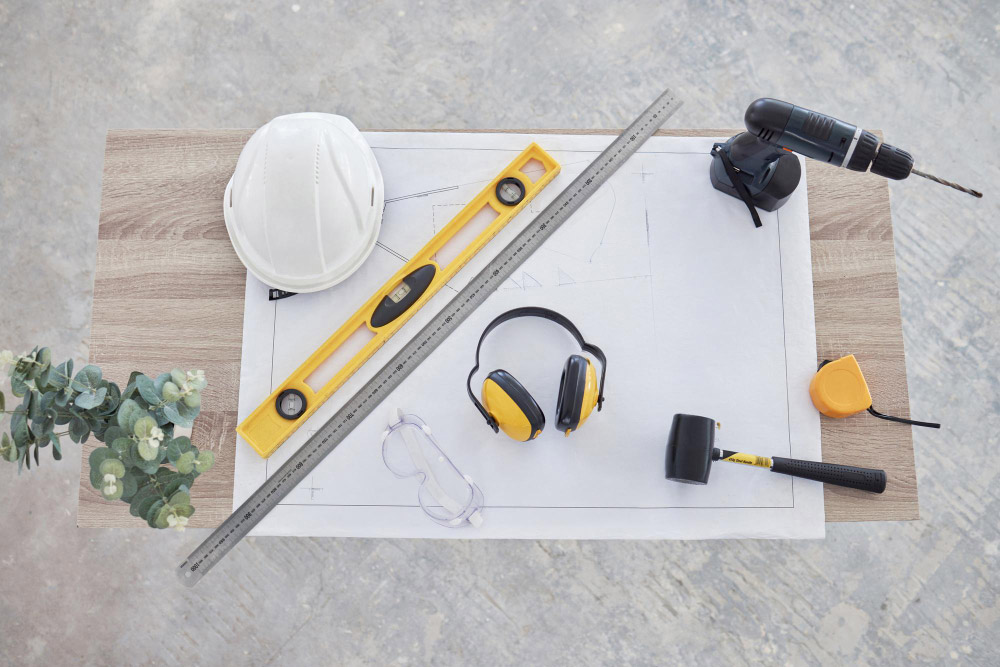
Preparing your site before construction or installation work is one of the best ways to reduce delays, protect materials, and help the team work safely and smoothly. A clean and ready site makes a big difference, especially when the project includes general construction, PVC and aluminum windows and doors, custom cabinetry, glass work, railings, shower enclosures, or finishing details.
Many project problems start before the work begins. The space may be crowded, measurements may not be ready, access may be difficult, or materials may arrive before the site can receive them. With better preparation, the work becomes easier to manage and the final result is usually cleaner.
Best Ways To Prepare Your Site Before Construction Or Installation Work
The best ways to prepare your site before construction or installation work include clearing the area, checking access, confirming measurements, protecting existing items, planning material delivery, and keeping communication clear with the work team.
At Home Line, site preparation is part of a better project process. Whether the work is small or large, the site should be ready before construction, installation, glass fitting, cabinet work, or aluminum and PVC work begins.
Clear The Work Area Before The Team Arrives
A clean work area helps the team move faster and safer. Before the project starts, remove furniture, personal items, decorations, loose tools, boxes, and anything that may block the work zone.
This is especially useful for window replacement, door installation, cabinetry, shower enclosures, railings, and interior finishing. The team needs enough space to measure, carry materials, cut if needed, install, and check the final result.
What To Remove From The Work Area
- Furniture near windows, doors, and walls
- Personal items and fragile pieces
- Carpets, curtains, and loose decor
- Boxes and stored materials
- Items under stairs, inside bathrooms, or near cabinets
- Anything blocking walking paths or work access
Check Site Access For Workers And Materials
Site access should be checked before the work starts. Large materials such as aluminum profiles, glass panels, cabinet units, doors, and construction materials need enough space to enter the site safely.
If the access is too narrow or blocked, delivery can become difficult. This may delay the project or increase the risk of damage during movement.
Access Points To Review
- Main entrance
- Building entrance
- Stairs and elevators
- Parking area for delivery
- Hallways and corridors
- Door widths
- Space for loading and unloading
Confirm Measurements Before Production Or Installation
Accurate measurements are needed before ordering or installing windows, doors, cabinets, glass railings, shower enclosures, and facades. A small measurement mistake can cause gaps, delays, poor fitting, or repeated work.
For best results, measurements should be taken when the site is ready enough for accurate checking. For example, shower enclosure measurements may need to happen after tiles are installed, while cabinet measurements should match the final wall and floor levels.
Areas That Need Accurate Measurements
- Window openings
- Door openings
- Cabinet walls and corners
- Kitchen and bathroom spaces
- Glass railing sections
- Shower enclosure areas
- Facade openings
- Wall and floor levels
Protect Existing Floors, Walls, And Furniture
If the site is not empty, protect the items that will stay in place. Floors, walls, furniture, tiles, and finished surfaces can be scratched or damaged during construction and installation work.
Protection is very useful when installing aluminum windows, glass panels, shower enclosures, custom cabinets, or finishing details inside an already finished space.
Items To Protect Before Work Begins
- Finished floors
- Wall paint or wallpaper
- Tiles and stone surfaces
- Existing cabinets
- Bathroom fixtures
- Nearby glass or mirrors
- Furniture that cannot be moved
Plan Material Delivery At The Right Time
Materials should arrive when the site is ready to receive them. If they arrive too early, they may block the work area or get damaged. If they arrive too late, the project may stop while the team waits.
Good delivery timing is very useful for glass, aluminum, PVC, cabinetry, doors, hardware, and finishing materials. Each material should have a clean, dry, and safe place on-site.
Material Delivery Details To Plan
- Delivery date and time
- Access for truck or van
- Safe storage area
- Protection from rain, dust, or damage
- Who will receive the materials
- Which materials are needed first
- Which materials should arrive later
Prepare Electricity And Water Access If Needed
Some construction and installation work may need electricity, lighting, or water access. Before the team arrives, check if the site has working power outlets and enough lighting in the work area.
This helps the team use tools, check alignment, and complete the work with better visibility. For bathroom work, shower enclosures, or selected finishing tasks, water access and drainage may also need checking.
Review Safety Around The Site
A safe site helps protect workers, clients, visitors, and the property. Remove obstacles from walking paths, keep children and pets away from the work zone, and avoid moving near tools or glass panels during installation.
Glass work, aluminum systems, construction materials, and heavy cabinet units all need careful handling. A clear site makes the work safer and easier to control.
Simple Safety Checks
- Keep walking paths clear
- Move children and pets away from work areas
- Keep fragile items far from the site
- Do not stand under lifting or fixing areas
- Keep tools and materials in one controlled zone
- Make sure lighting is enough for detailed work
Decide On Materials And Finishes Early
Late decisions can slow the project. Before work starts, try to confirm frame colors, cabinet finishes, glass type, hardware style, door opening direction, and other visible details.
This is helpful because many services are connected. A cabinet finish may need to match aluminum frames. Shower enclosure hardware may need to match bathroom fittings. Glass railings may need to match the style of the space.
Finishes To Confirm Before Starting
- PVC and aluminum colors
- Glass type and thickness
- Cabinet material and finish
- Handles and hardware
- Door and window opening style
- Shower enclosure design
- Railing style and support details
Set A Clear Work Zone
A clear work zone helps the team stay organized. If possible, separate the work area from daily living or business activity. This is useful in homes, offices, shops, and occupied spaces.
For example, if cabinets are being installed in a kitchen, keep kitchen items away from the area. If glass railings are being installed near stairs or balconies, keep movement limited until the work is complete.
Share Site Photos And Details Before The Visit
Photos help the team understand the site before arriving. They do not replace a proper site visit, but they make the first discussion easier and more useful.
Take photos from different angles and show the full area, not only close-up details. For windows, doors, cabinets, glass, or shower enclosures, photos should show the wall, floor, ceiling, and surrounding space.
Photos That Help The Team
- Wide photo of the full room or area
- Close photo of the opening or installation point
- Photo of the floor and wall level
- Photo of access path to the site
- Photo of any damage or problem
- Photo of existing windows, doors, cabinets, or glass
Agree On Working Hours And Site Rules
Before the project starts, agree on working hours, building rules, access times, elevator use, parking, and noise restrictions if they apply. This is especially useful in apartments, offices, shared buildings, and commercial areas.
Clear site rules help avoid delays and problems with neighbors, building management, or other teams working in the same space.
Check The Area After Old Items Are Removed
If old windows, doors, cabinets, glass, or tiles are being removed, check the area before new items are installed. Sometimes hidden issues appear after removal, such as uneven walls, damaged edges, weak surfaces, or old fixing marks.
These issues should be handled before the new installation begins. This helps the final work fit better and look cleaner.
Prepare For Dust, Noise, And Temporary Disruption
Construction and installation work can create dust, noise, and movement around the site. Even clean work needs some preparation.
Cover nearby items, move sensitive electronics, and avoid using the work area during active installation. If the project is in a home or business, plan around the disruption so daily activity is affected as little as possible.
Keep One Main Contact Person
Projects move better when there is one main person for decisions. This person can confirm materials, answer questions, approve details, and receive updates.
If too many people give different instructions, the work can become confusing. A single contact person keeps communication clear and helps the team move faster.
Prepare A Final Checklist Before Work Starts
A simple checklist helps make sure nothing is missed before the team begins. It does not need to be complicated. The goal is to make the site ready, safe, and easier to work in.
Site Preparation Checklist
- Work area is clear
- Access path is open
- Measurements are confirmed
- Materials and finishes are selected
- Delivery timing is planned
- Existing surfaces are protected
- Electricity and lighting are available
- Site rules are clear
- Main contact person is assigned
- Final questions are answered before starting
How Home Line Helps With Site Preparation
Home Line helps clients prepare for construction and installation work through site review, measurements, material guidance, work planning, and delivery support. This helps reduce confusion before execution begins.
Our services can support general construction, PVC and aluminum windows and doors, custom cabinetry, glass facades, glass railings, shower enclosures, PVC and aluminum finishes, and site management.
Final Thoughts
Good site preparation can save time, reduce mistakes, protect materials, and make construction or installation work much smoother. Before the team starts, clear the space, check access, confirm measurements, protect existing surfaces, and agree on the work details.
A prepared site gives the project a better start. And in construction, a better start often leads to a cleaner finish.
FAQs About Best Ways To Prepare Your Site Before Construction Or Installation Work In Lebanon
What Should I Do Before Construction Work Starts?
You should clear the work area, remove fragile items, check site access, confirm measurements, protect existing surfaces, and agree on the main project details with the team.
Why Is Site Preparation Important Before Installation?
Site preparation helps the team work faster, reduces delays, protects materials, improves safety, and helps the final installation look cleaner.
Should I Remove Furniture Before Window Or Cabinet Installation?
Yes. Moving furniture away from the work area gives the team enough space to measure, carry materials, install properly, and protect your items from dust or damage.
When Should Measurements Be Taken?
Measurements should be taken when the site is ready enough for accurate checking. For some items, such as shower enclosures or cabinets, this may depend on the stage of tiles, walls, or floors.
Can Home Line Help Prepare The Site Before Work Begins?
Yes. Home Line can review the site, check measurements, guide material choices, plan work stages, and support site management before construction or installation work begins.