
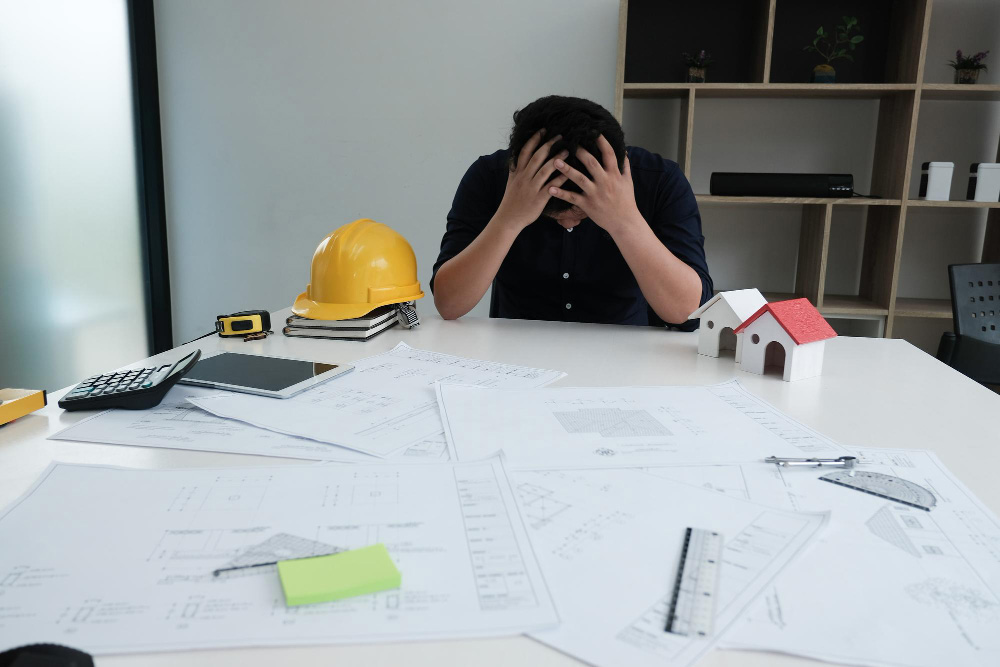
Starting a construction project without a clear plan can lead to delays, extra costs, poor finishing, and stress on-site. The problem is not always the construction work itself. Many issues begin before the first day of execution.
This guide covers the top construction mistakes to avoid before starting a project, especially if your work includes general construction, PVC and aluminum windows and doors, custom cabinetry, glass facades, railings, shower enclosures, finishing, or site delivery.
Top Construction Mistakes To Avoid Before Starting A Project
A successful project starts with good preparation. Before construction begins, the client and the team should understand the goal, space condition, materials, timeline, measurements, and delivery expectations.
At Home Line, many project problems can be reduced when the planning stage is handled properly. Clear steps help the work move better, reduce repeated tasks, and protect the final look of the space.
Starting Without A Clear Project Goal
One common mistake is starting with a general idea but no clear goal. Saying “I want to improve the space” is not enough. The team needs to know what you want to build, change, replace, or prepare.
A clear goal helps guide the layout, materials, budget, work sequence, and final result. It also helps avoid confusion during the project.
Questions To Ask Before Starting
- What do I want this space to do better?
- Which services do I need?
- What is the main problem I want to solve?
- What style or finish do I prefer?
- Is this a full project or a specific upgrade?
Skipping The Site Visit
Photos are useful, but they cannot show everything. A proper site visit helps the team check the real condition of walls, floors, openings, access, measurements, and existing work.
Skipping the site visit can lead to wrong assumptions. The space may have hidden issues, uneven surfaces, weak preparation, or access problems that affect the work later.
Using Rough Measurements
Rough measurements can create serious problems, especially when the project includes windows, doors, cabinets, glass work, railings, or shower enclosures.
Even a small mistake can lead to gaps, poor fitting, delayed production, extra adjustments, or visible finishing issues. Accurate measurements should be taken at the right stage of the project.
Items That Need Careful Measurements
- Window and door openings
- Wall-to-wall distances
- Cabinet areas
- Glass railing sections
- Shower enclosure space
- Facade openings
- Floor and wall alignment
Choosing Materials Only By Price
Price matters, but choosing materials only because they are cheaper can cost more later. Low-quality materials may affect durability, appearance, daily use, and maintenance.
For example, PVC, aluminum, glass, cabinetry materials, hardware, hinges, tracks, and finishing details should match the project use. A home, shop, office, villa, and bathroom may each need different material choices.
Ignoring The Work Sequence
Construction work needs the right order. If one task starts too early, it may block another task or damage finished work.
For example, installing cabinets before messy construction work is finished can create damage. Installing glass before the site is ready can create alignment or safety problems. Windows and doors should also be planned with wall openings and finishing stages.
Simple Work Sequence To Follow
- Project discussion and site visit
- Measurements and planning
- Material and finish selection
- Site preparation
- Main construction work
- Installation stages
- Finishing details
- Final checking and delivery
Not Planning For Site Access
Site access is often forgotten. Workers, materials, tools, glass panels, aluminum profiles, cabinets, and construction items need safe and practical access to the site.
If access is difficult, the project may take longer. Large glass pieces, long aluminum profiles, or custom cabinetry may need special handling before delivery and installation.
Forgetting About Daily Use
A project should not only look good in photos. It should work well every day. This is where many decisions go wrong.
Windows should open smoothly. Doors should not block movement. Cabinets should store items properly. Shower enclosures should control water. Glass railings should fit the space safely. Construction details should support the way people actually use the space.
Making Changes Too Late
Late changes can affect cost, timing, materials, and final fitting. Changing the cabinet layout, window size, glass type, door opening direction, or finish color after work begins can delay the project.
Some changes are normal, but they should be discussed early. Clear decisions before execution help the team work faster and cleaner.
Not Matching Materials And Finishes
A space can feel unfinished when materials are selected separately. Windows, doors, glass, cabinets, railings, shower enclosures, and wall finishes should work together visually.
For a cleaner result, choose colors, profiles, glass style, hardware, and cabinet finishes that match the full design direction.
Finishes To Match Together
- Window and door frame colors
- Cabinet colors and handles
- Glass hardware finish
- Wall and floor colors
- Shower enclosure hardware
- Railing style and support details
Ignoring Site Management
Without site management, tasks can become messy. Teams may overlap, materials may arrive at the wrong time, and details may be missed before delivery.
Site management helps organize the daily work, follow progress, coordinate materials, check installation stages, and prepare the project for handover.
Not Checking The Final Details
Final checking is one of the most valuable steps in a construction project. It helps catch small issues before the project is delivered.
Doors should close properly. Windows should move smoothly. Cabinets should align well. Glass should be clean and fitted correctly. Finishes should look neat. These details shape the final client experience.
How Home Line Helps You Avoid These Mistakes
Home Line supports clients with planning, measurements, material guidance, construction work, PVC and aluminum systems, custom cabinetry, glass work, site management, and final delivery.
By handling related services under one process, the project becomes easier to follow. This helps reduce confusion between construction, installation, finishing, and handover stages.
Final Thoughts
The biggest construction mistakes usually happen before the work starts. Poor planning, weak measurements, unclear goals, wrong materials, and bad coordination can affect the full project.
Before starting, take time to plan the work properly. Review the site, measure carefully, choose suitable materials, agree on the sequence, and keep communication clear. A better start usually leads to a cleaner finish.
FAQs About Top Construction Mistakes To Avoid Before Starting A Project In Lebanon
What Is The Biggest Mistake Before Starting A Construction Project?
The biggest mistake is starting without a clear project goal, accurate measurements, and a proper work plan. This can lead to delays, extra work, and poor finishing.
Why Are Accurate Measurements Needed Before Construction?
Accurate measurements help windows, doors, cabinets, glass work, and finishing details fit properly. They also reduce waste, delays, and repeated adjustments.
Should I Choose Construction Materials Based Only On Price?
No. Price is only one factor. Materials should also match the space, usage, durability needs, design style, and maintenance expectations.
Why Is Site Management Useful During Construction?
Site management helps organize tasks, follow progress, coordinate materials, check details, and prepare the project for a smoother final delivery.
What Should I Prepare Before Contacting A Construction Company?
You can prepare photos of the site, basic measurements, your project goal, preferred finishes, required services, and any deadline or issue you want to solve.