
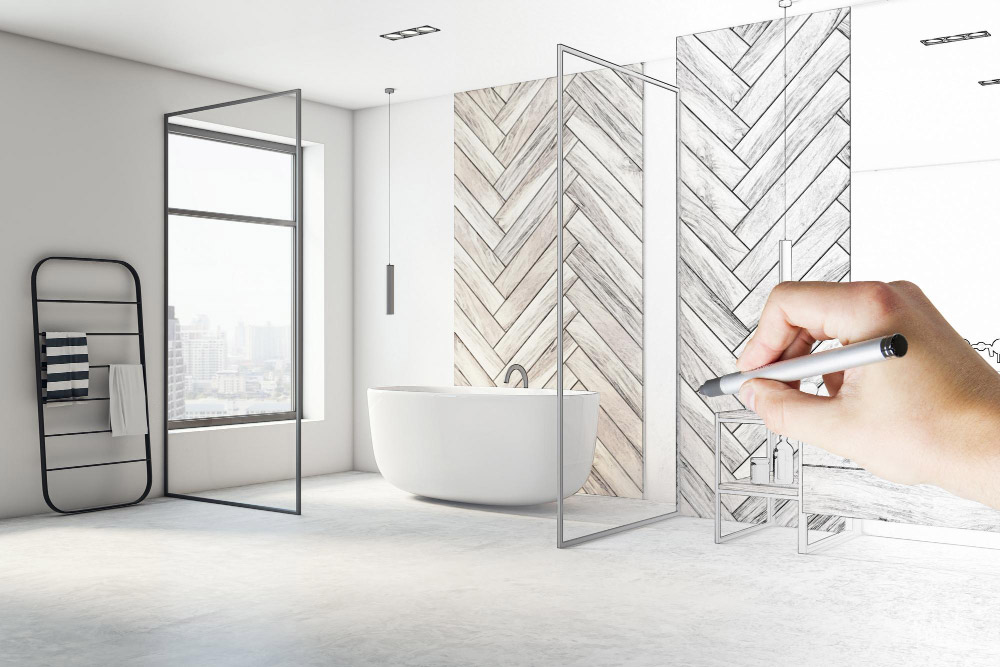
Choosing the right shower enclosure can make your bathroom look cleaner, brighter, and more comfortable to use. A good shower enclosure does more than separate the shower area. It helps control water, improve movement, protect the bathroom layout, and complete the final design.
These expert tips for choosing a shower enclosure for your bathroom will help you understand the main details before installation. The right choice depends on the bathroom size, shower position, glass type, opening style, hardware, and daily use.
Expert Tips For Choosing A Shower Enclosure For Your Bathroom
A shower enclosure should fit the bathroom properly and work well every day. If the size, glass, door movement, or hardware is not planned correctly, the enclosure may look nice at first but become difficult to use later.
At Home Line, shower enclosures are planned with the full bathroom in mind. The glass should match the layout, the door should open easily, and the final installation should feel neat, safe, and practical.
Before choosing the style, start with the basics. Look at the space, the shower area, the wall condition, the floor slope, and the way people move inside the bathroom.
Start With The Bathroom Layout
The layout is the first thing to check before choosing a shower enclosure. A small bathroom may need a space-saving design. A larger bathroom may allow a wider glass panel or a hinged door. The enclosure should not block movement, storage, toilet access, or the bathroom door.
The shower location also affects the design. A corner shower, wall-to-wall shower, walk-in shower, and bathtub screen each need a different glass setup.
Bathroom Details To Check First
- Bathroom size and available walking space
- Shower area position
- Wall-to-wall distance
- Toilet, vanity, and door location
- Floor slope and drainage direction
- Water mixer and shower head position
- Space needed for opening and closing the door
Choose The Right Shower Enclosure Type
There are different types of shower enclosures, and each one works better for certain bathroom layouts. The right type should match the space, not only the design photo you like.
Some bathrooms need a sliding door because there is no space for a door to swing open. Other bathrooms can use a hinged door for a clean and simple look. A walk-in glass panel can work well when the shower area is wide enough.
Common Shower Enclosure Types
- Sliding shower enclosure for saving space
- Hinged shower door for easy access
- Fixed glass panel for walk-in showers
- Corner shower enclosure for compact bathrooms
- Wall-to-wall glass enclosure for larger shower areas
- Bathtub glass screen for shower and tub combinations
Think About Frameless And Framed Options
Frameless shower enclosures are popular because they look clean and modern. They use less visible framing, which helps the bathroom feel more open. This can be a good choice for modern bathrooms and spaces with nice tiles or stone finishes.
Framed shower enclosures use more visible aluminum or metal support. They can be practical, strong, and suitable for many bathroom types. The right choice depends on the design, glass size, hardware needs, and budget.
When Frameless Glass May Work Well
- You want a clean modern look
- The bathroom has a simple and open layout
- You want to show the tile or wall finish
- The shower area can support the required glass setup
- You prefer less visible framing
When Framed Glass May Work Well
- You want a practical and supported enclosure
- The bathroom needs stronger visible framing
- You prefer a more controlled budget
- The layout needs extra support points
- You want aluminum details to match other finishes
Select The Right Glass
Glass choice affects safety, appearance, privacy, and cleaning. Clear glass gives the bathroom a bright and open look. Frosted or patterned glass can add more privacy. Tinted glass may suit certain modern designs.
The glass thickness and type should be selected based on the enclosure size, door type, hardware, and support system. Larger glass panels may need stronger planning and better hardware.
Popular Glass Options For Shower Enclosures
- Clear glass for a bright and open look
- Frosted glass for more privacy
- Tinted glass for a modern design style
- Patterned glass for a decorative finish
- Safety glass where suitable for the project
- Thicker glass for selected frameless designs
Plan The Door Opening Style
The shower door should be easy to use without hitting the toilet, vanity, towel rack, or bathroom entrance. This is one of the most common details people forget during planning.
A hinged door needs enough clear space to open. A sliding door can save space. A fixed panel does not need door movement, but the shower area must be wide enough to reduce water splash.
Door Style Questions To Ask
- Will the door open inward, outward, or slide?
- Is there enough space beside the shower?
- Will the door hit the vanity or toilet?
- Is the opening wide enough for comfortable entry?
- Will the handle position be easy to reach?
Check Water Control And Drainage
A shower enclosure should help control water, but it also depends on the bathroom floor, drainage, shower head direction, and glass position. If water naturally flows toward the wrong area, glass alone may not solve the issue.
Before installation, the team should check the floor slope and drain location. The enclosure design should help direct water back toward the shower area as much as possible.
Water Control Details To Review
- Floor slope toward the drain
- Drain position inside the shower area
- Shower head direction
- Glass panel placement
- Door seal and bottom seal options
- Threshold or curb design if used
Match Hardware With The Bathroom Style
Hardware includes hinges, handles, tracks, brackets, and support details. These small parts have a big effect on the final look and daily use of the enclosure.
Hardware should match the bathroom style and other finishes. Chrome, black, silver, and brushed finishes can each create a different look. The hardware should also support the glass properly and allow smooth movement.
Common Hardware Details
- Door hinges
- Handles and knobs
- Sliding tracks
- Wall brackets
- Support bars if needed
- Bottom seals and side seals
- Magnetic closing strips for selected doors
Take Accurate Measurements Before Production
Accurate measurements are one of the biggest parts of a good shower enclosure. A small measurement mistake can lead to gaps, poor alignment, water leakage, difficult closing, or visible finishing problems.
The measurements should be taken after the bathroom walls, tiles, and floor are ready, or at the correct stage based on the project plan. Measuring too early can cause problems if wall thickness, tile level, or floor height changes later.
What Needs To Be Measured
- Width of the shower opening
- Height of the glass area
- Wall alignment and level
- Floor slope and tile level
- Door opening space
- Hardware fixing points
- Any uneven wall or corner angle
Choose A Design That Is Easy To Clean
A shower enclosure should look good, but it should also be easy to clean. Bathrooms deal with water, soap, steam, and daily use. A design with too many tight corners, heavy tracks, or difficult edges may need more cleaning time.
Clear glass can show water marks more easily, but it gives a bright look. Frosted or patterned glass may hide marks better, but it can change the overall design. The best choice depends on your cleaning habits and style preference.
Cleaning Friendly Choices
- Simple glass panels with fewer edges
- Easy access to corners and tracks
- Smooth hardware placement
- Glass style that matches your maintenance habits
- Proper ventilation to reduce steam buildup
Avoid Common Shower Enclosure Mistakes
Many shower enclosure problems start from rushed planning. A design can look good in a photo but fail in a real bathroom if the layout, size, and door movement are not checked.
Common Mistakes To Avoid
- Choosing the style before checking the layout
- Ignoring the door opening direction
- Using the wrong glass size or support system
- Not checking floor slope and drainage
- Measuring before the site is ready
- Choosing hardware only by appearance
- Forgetting cleaning and maintenance needs
- Not matching the enclosure with the full bathroom design
Plan The Shower Enclosure With The Full Bathroom
The shower enclosure should match the full bathroom, not look like a separate piece. It should work with the tiles, vanity, mirror, lighting, door, wall colors, and metal finishes.
When the glass, hardware, and bathroom finishes are planned together, the space feels cleaner and more complete. This is especially useful in modern bathrooms where simple lines and neat details matter.
Why Professional Installation Matters
Shower enclosure installation needs care. Glass panels must be aligned properly, hardware must be fixed correctly, and the door must move smoothly. Poor installation can lead to gaps, water issues, uneven doors, and unsafe fitting.
Professional installation helps protect the final look and daily use of the bathroom. It also helps the enclosure sit properly with the walls, tiles, and floor.
How Home Line Helps With Shower Enclosures
Home Line provides shower enclosure solutions for modern bathrooms, private homes, apartments, villas, and commercial spaces. We help with measurement, glass selection, hardware planning, installation, alignment, and final checking.
Our shower enclosure service can also connect with glass railings, glass facades, aluminum work, PVC and aluminum finishes, cabinetry, general construction, and site delivery. This gives the full project a cleaner and more organized result.
Home Line Can Help With
- Bathroom layout review
- Shower area measurement
- Glass type selection
- Frameless and framed enclosure options
- Sliding, hinged, and fixed panel designs
- Hardware and finish guidance
- Installation and final alignment
- Final checking before handover
Final Thoughts
The right shower enclosure should fit your bathroom, control water, open easily, look clean, and support daily use. Before choosing, review the bathroom layout, measurements, glass type, opening style, drainage, hardware, and cleaning needs.
With proper planning and clean installation, a shower enclosure can make your bathroom feel brighter, more modern, and easier to use every day.
FAQs About Expert Tips For Choosing A Shower Enclosure For Your Bathroom In Lebanon
What Is The Best Shower Enclosure For A Small Bathroom?
A sliding shower enclosure or a fixed glass panel can work well in small bathrooms because they save space and reduce the need for a swinging door.
Is Frameless Glass Better Than Framed Glass?
Frameless glass gives a clean modern look, while framed glass can offer more visible support and a practical finish. The better choice depends on the bathroom layout, glass size, and budget.
Can A Shower Enclosure Be Custom Made?
Yes. A shower enclosure can be custom made based on the bathroom size, shower layout, glass type, opening style, and hardware finish.
What Should Be Checked Before Installing A Shower Enclosure?
The bathroom layout, wall alignment, floor slope, drain position, shower head direction, opening space, and exact measurements should be checked before installation.
Does Home Line Install Shower Enclosures?
Yes. Home Line provides shower enclosure measurement, glass selection support, hardware planning, installation, alignment, and final checking.